
founded in 1986
DARREN ALMOND
statement
Darren Almond was born in Wigan (UK) in 1971. He lives and works in London (UK)
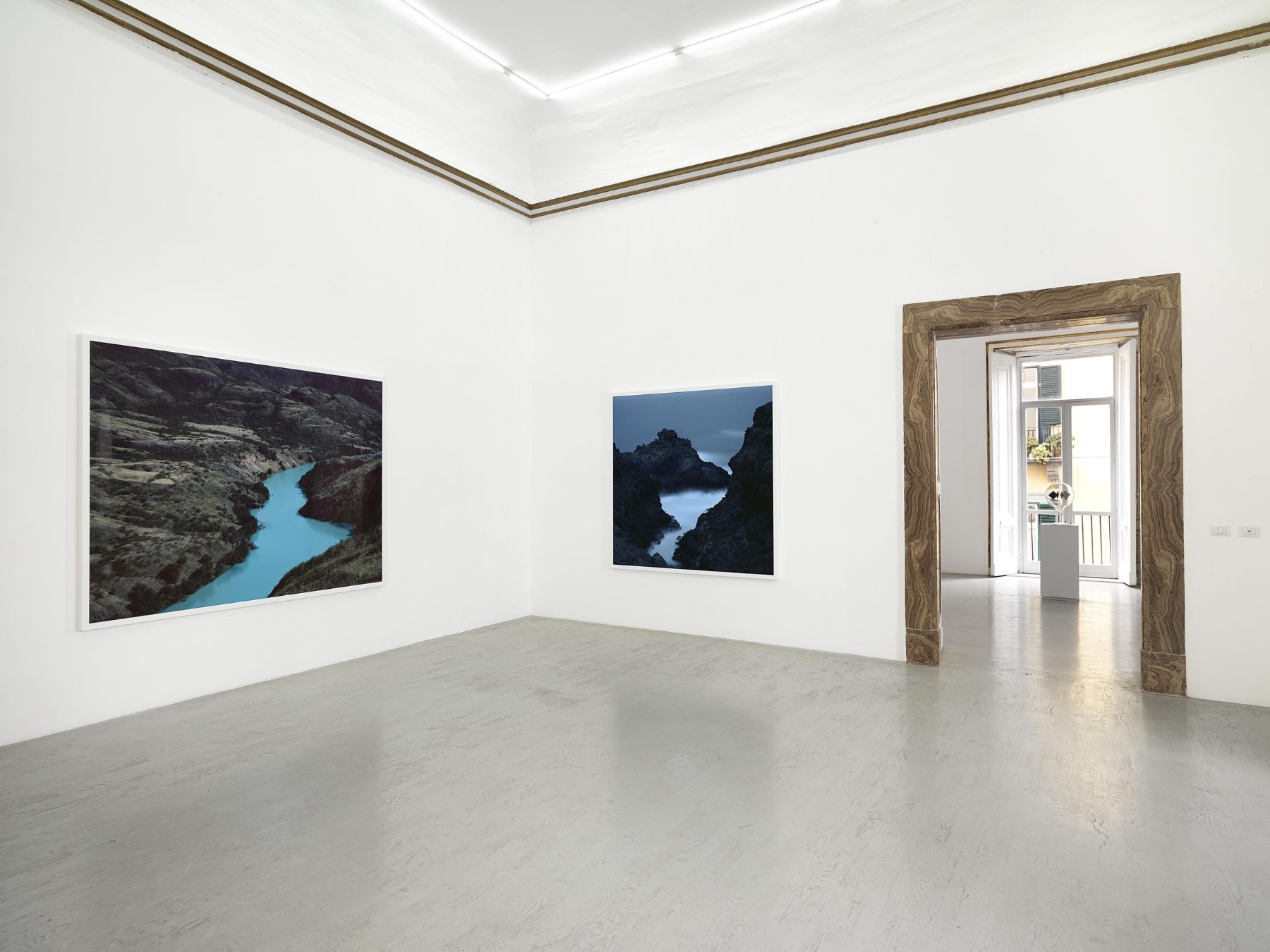
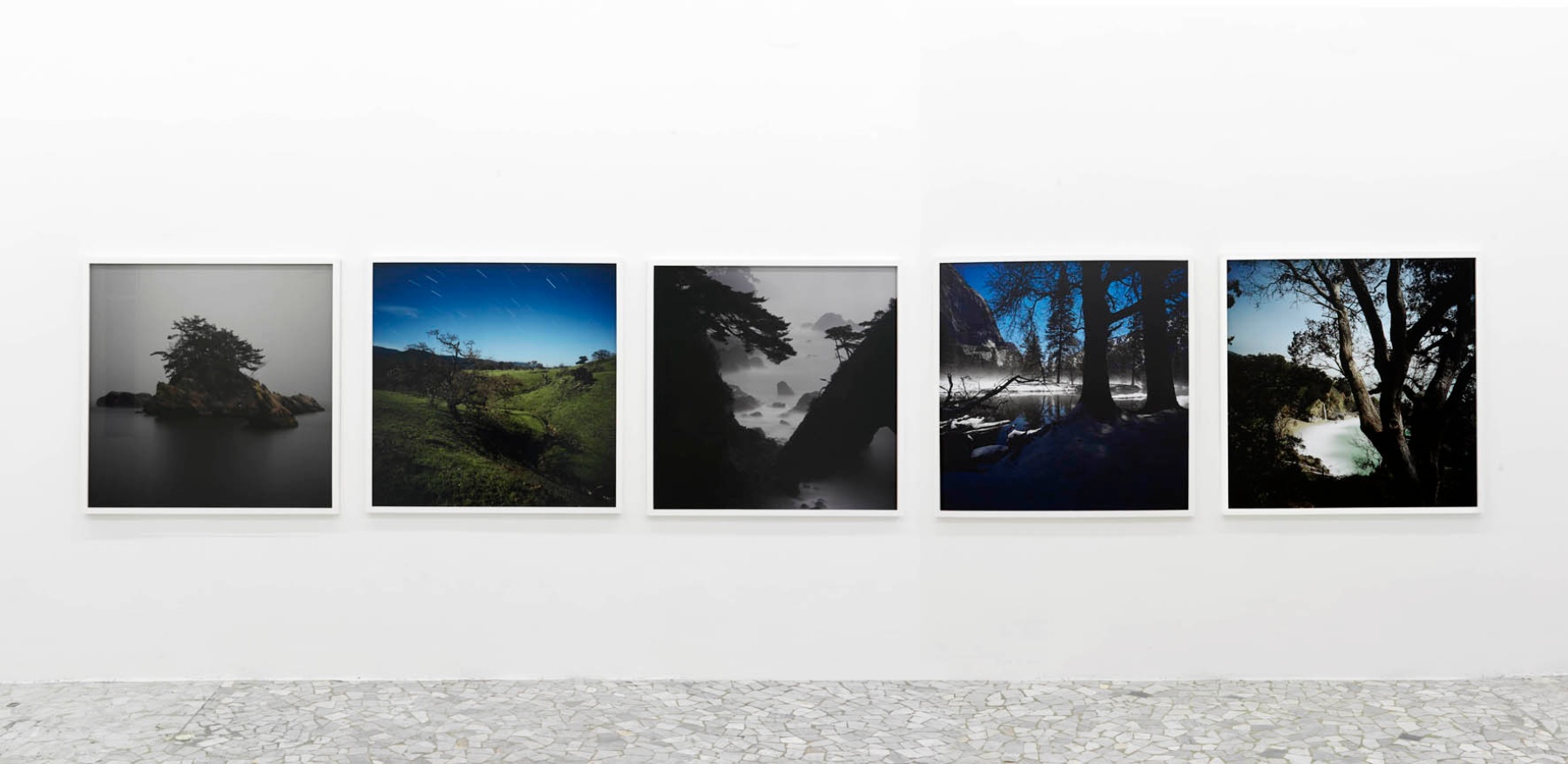
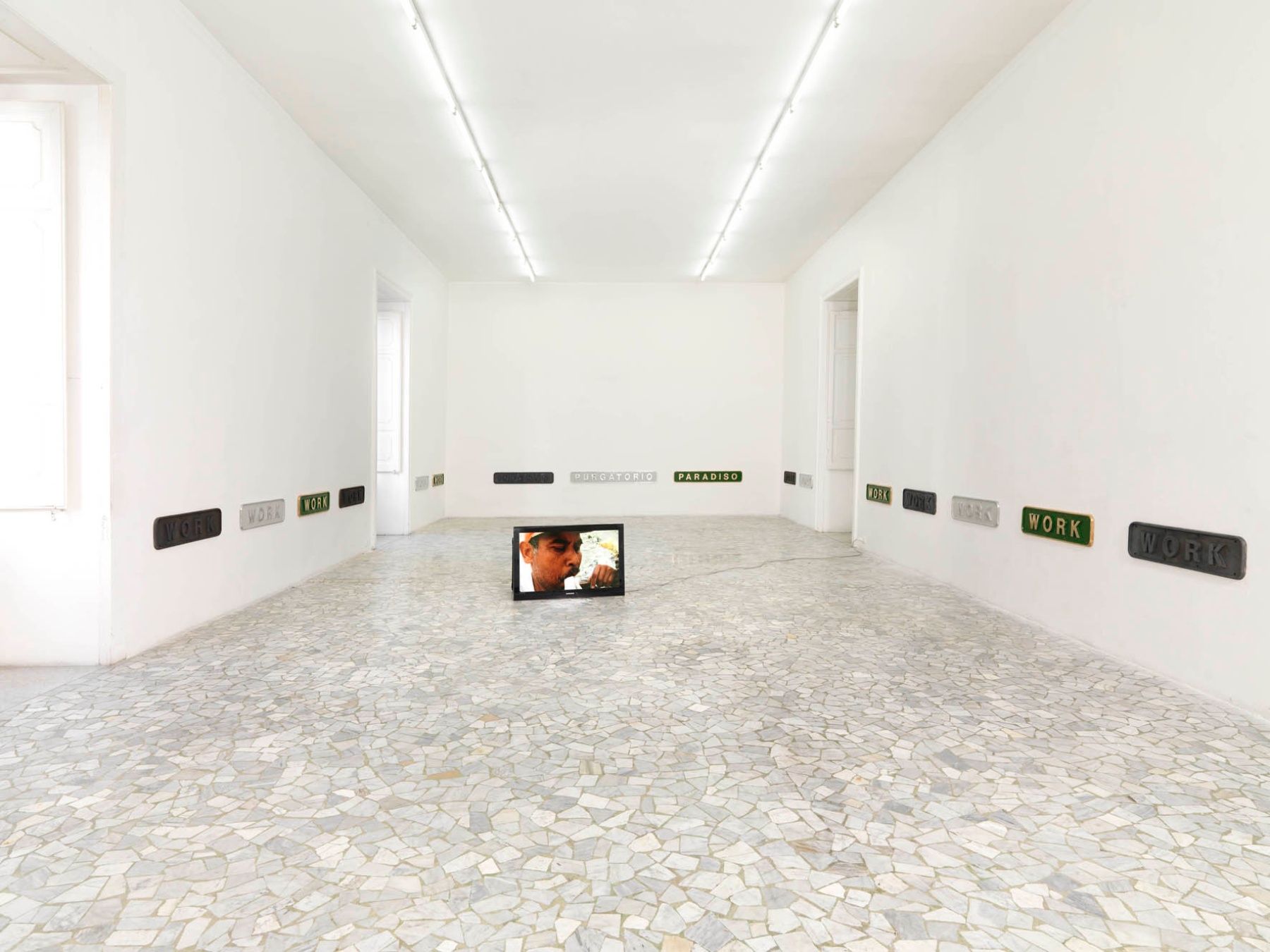
In the last years Darren Almond has used an ever-widening range of formal gambits – including sculpture, video, photography and painting – to address the relationship between the individual, the systems and the structures that surround us, both manmade and natural. He is best known for his Fullmoon photographs (2000–), which use long exposure and the light of the full moon to flood nocturnal landscapes with an uncanny almost-daylight. He travelled the globe to make these works, which transform nature into otherness: a shadow version of our imperilled planet, emptied of people. Almond creates a kind of dream space to reflect within, hitching ourselves to the moon and its rhythms. He has also explored humanity’s domineering tendencies in artworks that begin from the local and expand outwards to the histories of human costs of industry, from a video tracing his father’s history of industrial accidents to films, photographs and more exploring the global ramifications of mining: traversing Arctic landscapes polluted by nickel mining, or following Indonesian sulphur miners into the hellish depths, or circling around the industrial slaughter of the Holocaust and its own relation to extraction.
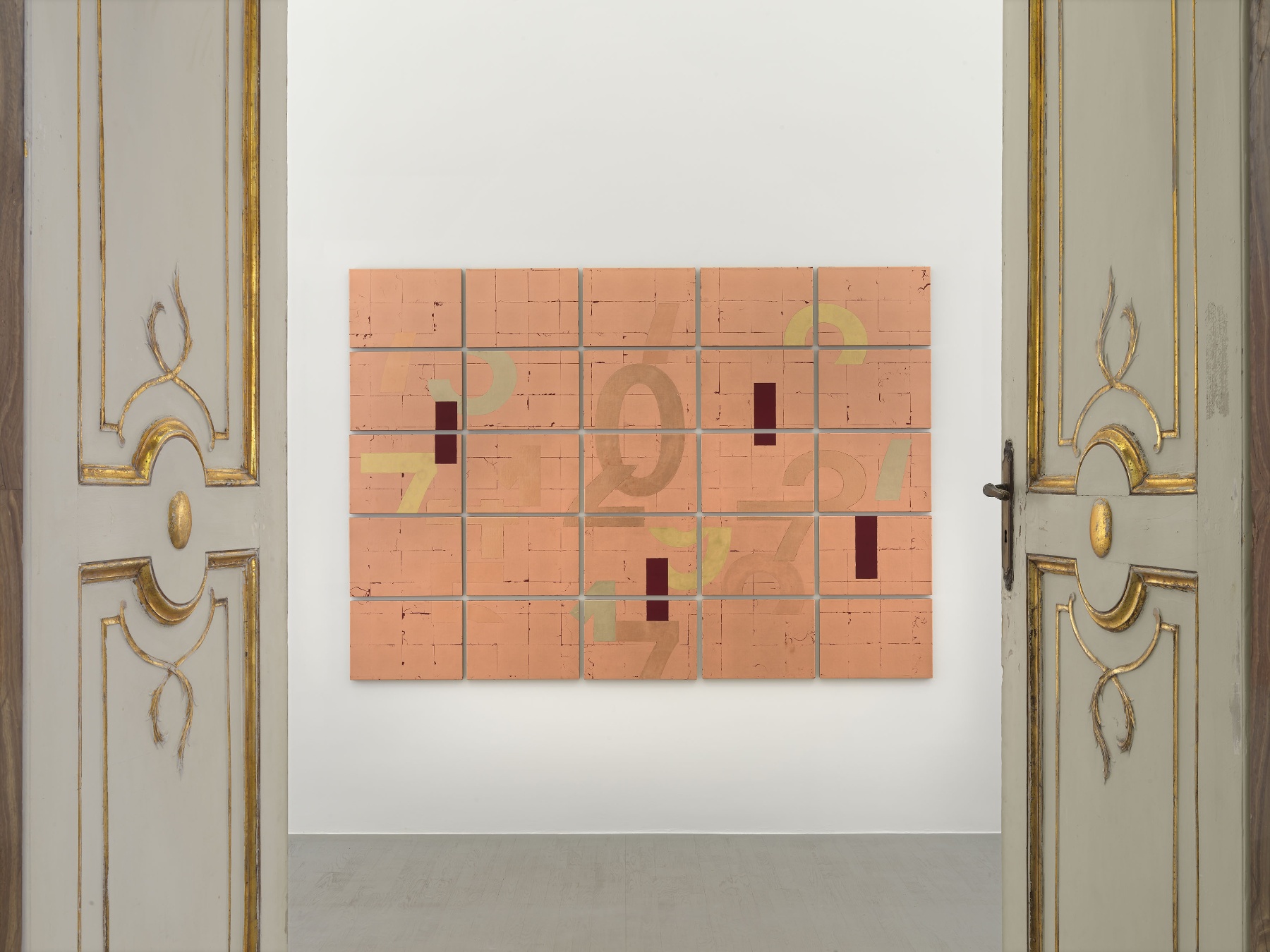
Alongside all of these projects Almond has set a clock perpetually ticking; from the beginning his career he has used the constructed system of time and numbers as exemplary of hubristic attempts at control: from the clock-punching worker to the nature of reality itself. From his extended series of clocks as kinetic sculptures to his recent ones, ever-changing sequences of number-based paintings, Almond puts the fixity of numbers and binary thinking at odds with the vast unknowability hidden behind them. The artist thus finds a parallel expression in his latter-day paintings ‘of’ the deep space, whose speculative clusters of stars in the majesty of the universe, have real-life analogues somewhere out there. Almond’s practice consists in moving literally from the personal to the universal and back again; to see what humanity has realised in its own house and to offer a meditative pause to consider how things might be different.
DARREN ALMOND


