
founded in 1986
GIULIO PAOLINI
statement
Giulio Paolini was born in Genoa on 5 November 1940.
He lives and works in Turin.
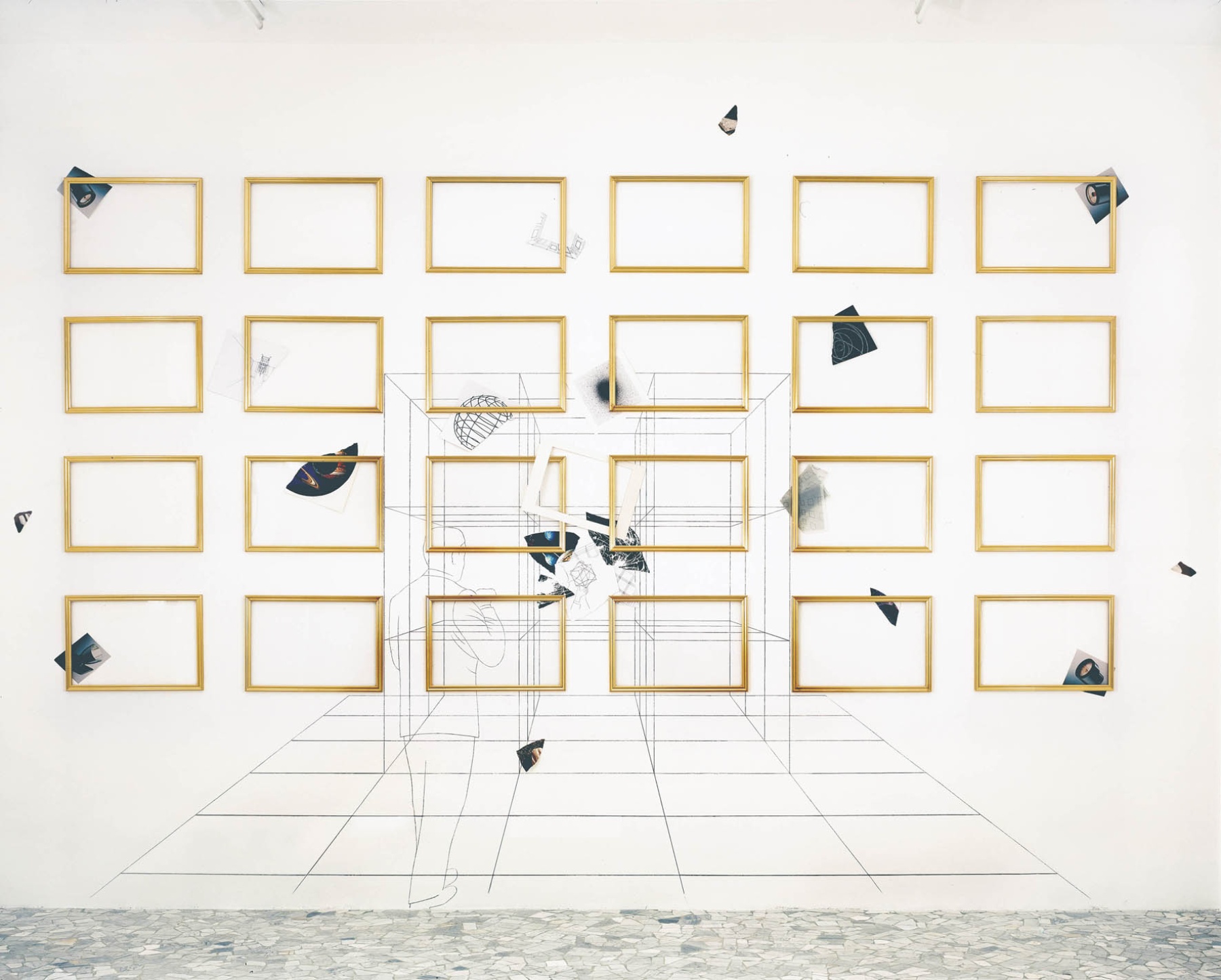
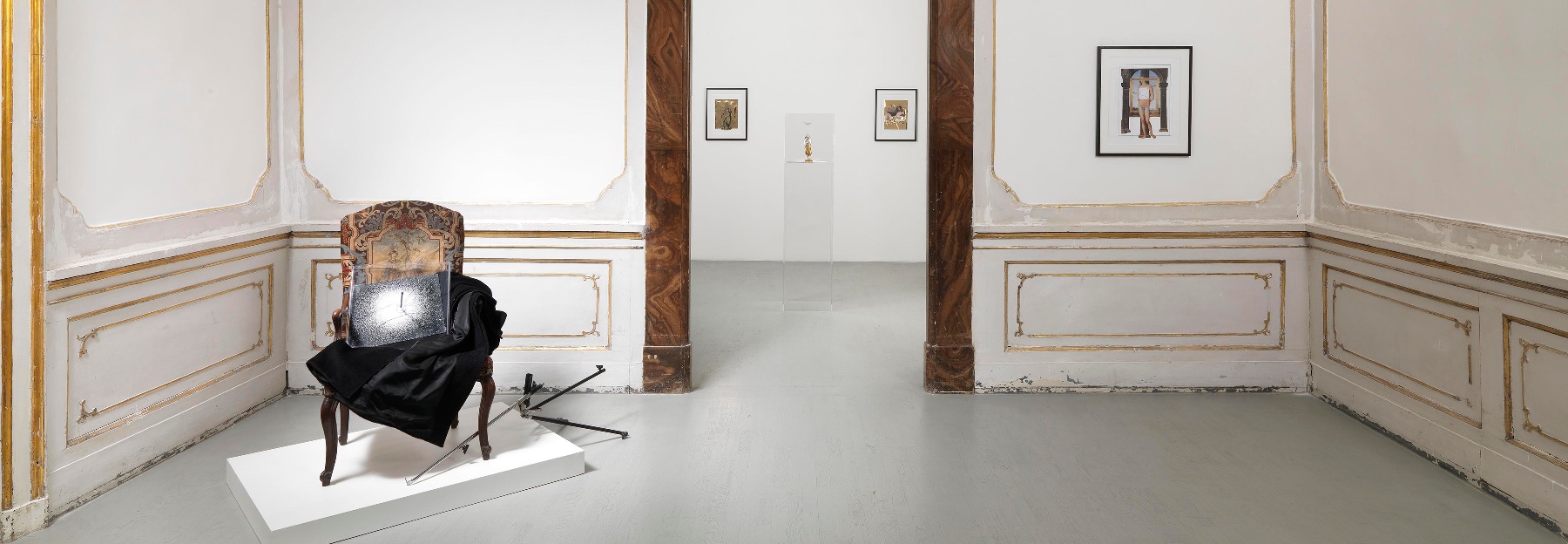
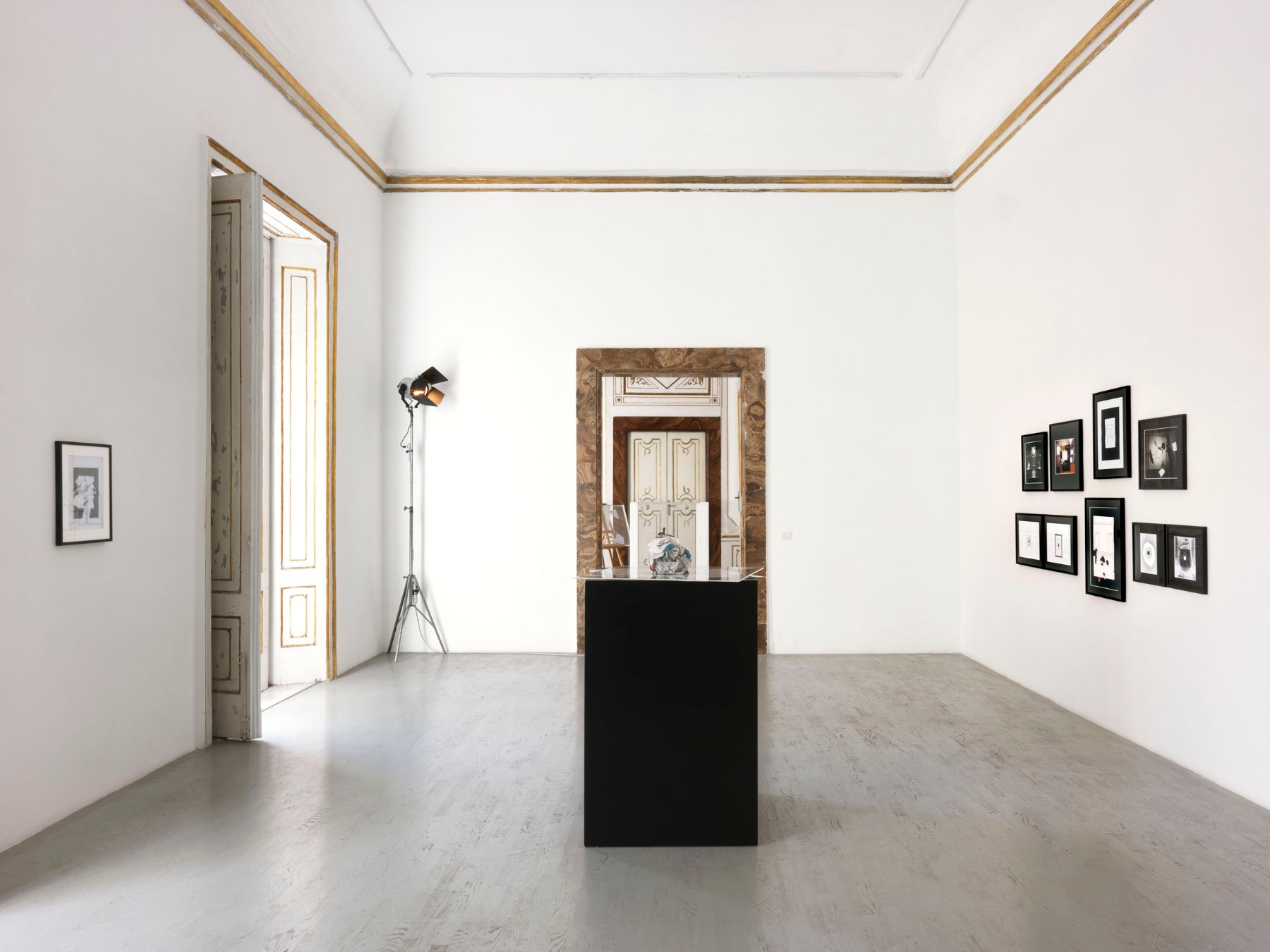
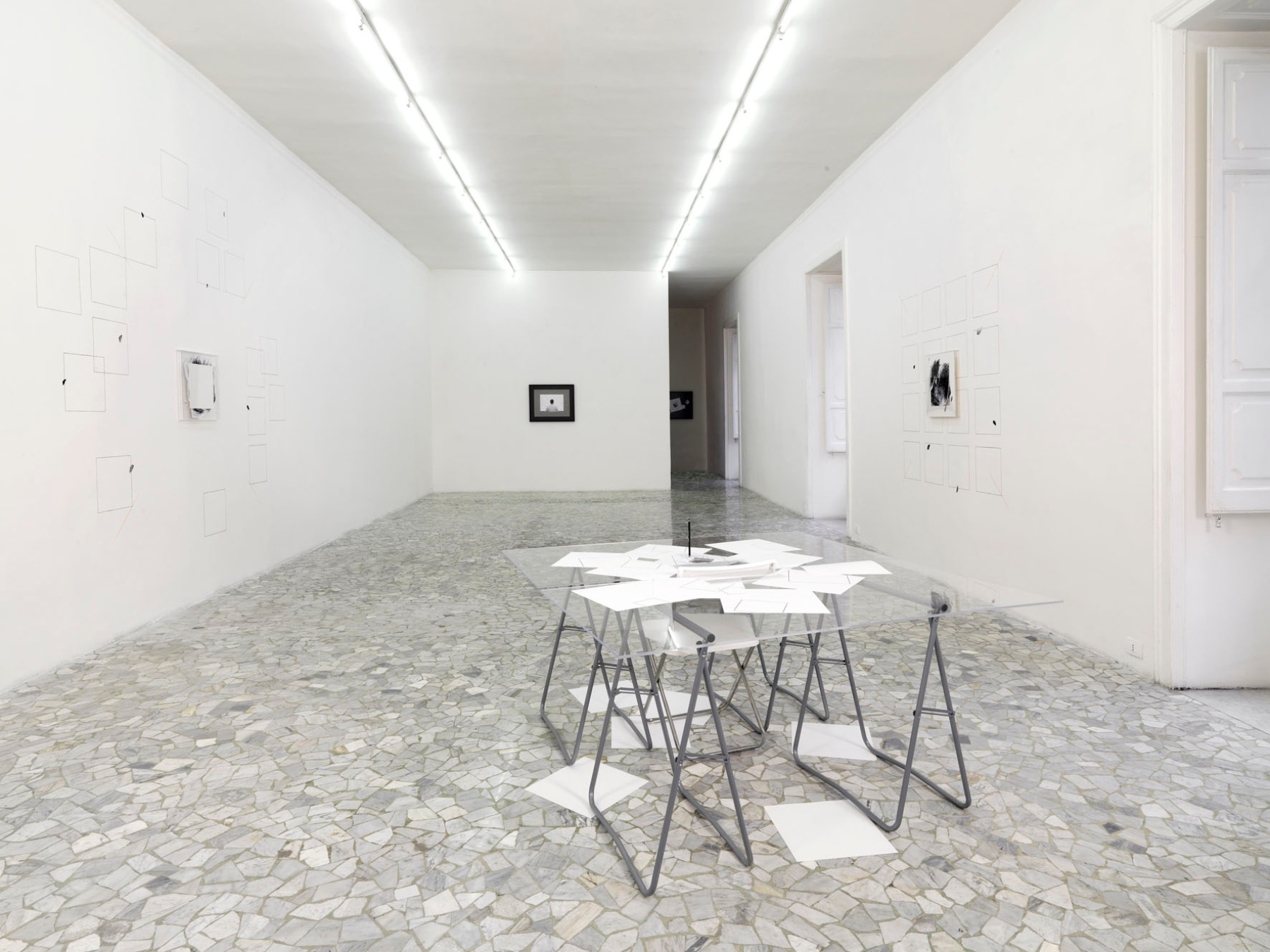
His poetry focuses on issues that question the conception, manifestation and vision of the work of art. From the first investigations around the constituent elements of the painting, the attention was subsequently oriented on the exhibition act, on the consideration of the work as a catalogue of its own possibilities, as well as on the figure of the author and his lack of contact with the work , which pre-exists and transcends it.
Since he first participated in a group exhibition in 1961 and since his first solo show in 1964, he has held countless exhibitions at galleries and museums worldwide. The major retrospectives were organized by the Stedelijk Museum in Amsterdam (1980), the Nouveau Musée in Villeurbanne (1984), the Staatsgalerie in Stuttgart (1986), the Galleria Nazionale d’Arte Moderna in Rome (1988), the Neue Galerie am Landesmuseum Joanneum in Graz (1998), and the Fondazione Prada in Milan (2003). The most recent anthological exhibitions were held at the Whitechapel Gallery in London (2014), Fondazione Carriero in Milan (2018), and Castello di Rivoli Museo d’Arte Contemporanea in Rivoli, Turin (2020).
He has taken part in a number of Arte Povera exhibitions, and on several occasions has shown his work at Documenta in Kassel (1972, 1977, 1982, 1992), and at the Venice Biennale (1970, 1976, 1978, 1980, 1984, 1986, 1993, 1995, 1997, 2013).
In 2022 he was awarded the Praemium Imperiale for Painting, the most important acknowledgement in the field of art.
His work is present in renowned public and private collections in Italy and worldwide.
Paolini's artistic research has long been coupled with written statements and reflections collected in artist’s books: from Idem, with a foreword by Italo Calvino (Turin: Einaudi, 1975), to Quattro passi. Nel museo senza muse (Turin: Einaudi, 2006), and L’autore che credeva di esistere (Milan: Johan & Levi, 2012).
He has also designed sets and costumes for the theatre, notably projects devised with Carlo Quartucci in the 1980s, and the sets for two Wagner operas, directed by Federico Tiezzi (2005, 2007).
GIULIO PAOLINI


