
founded in 1986

LAWRENCE WEINER
statement
Lawrence Weiner was born in New York City in 1942 and died in New York in 2021.
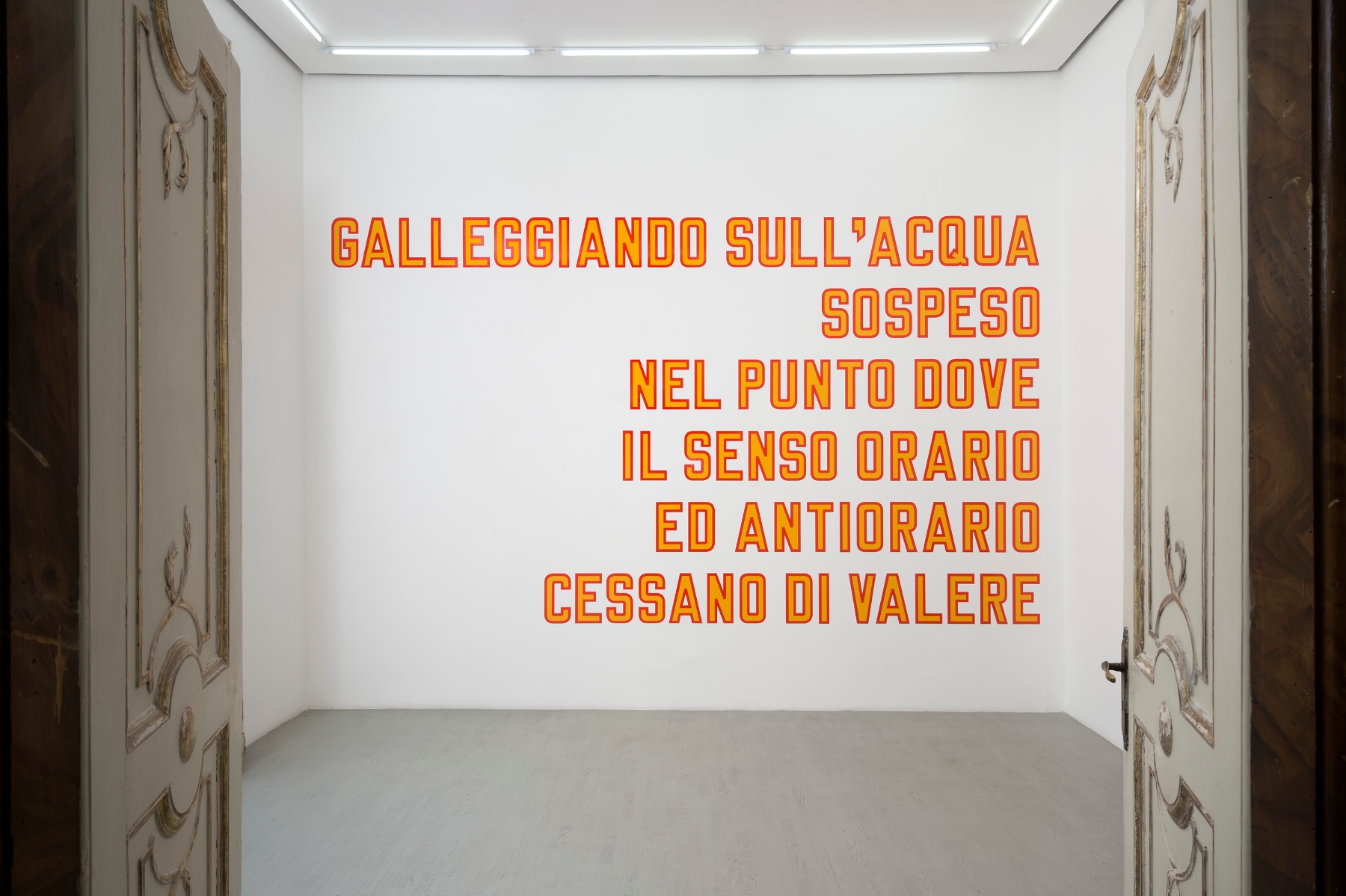
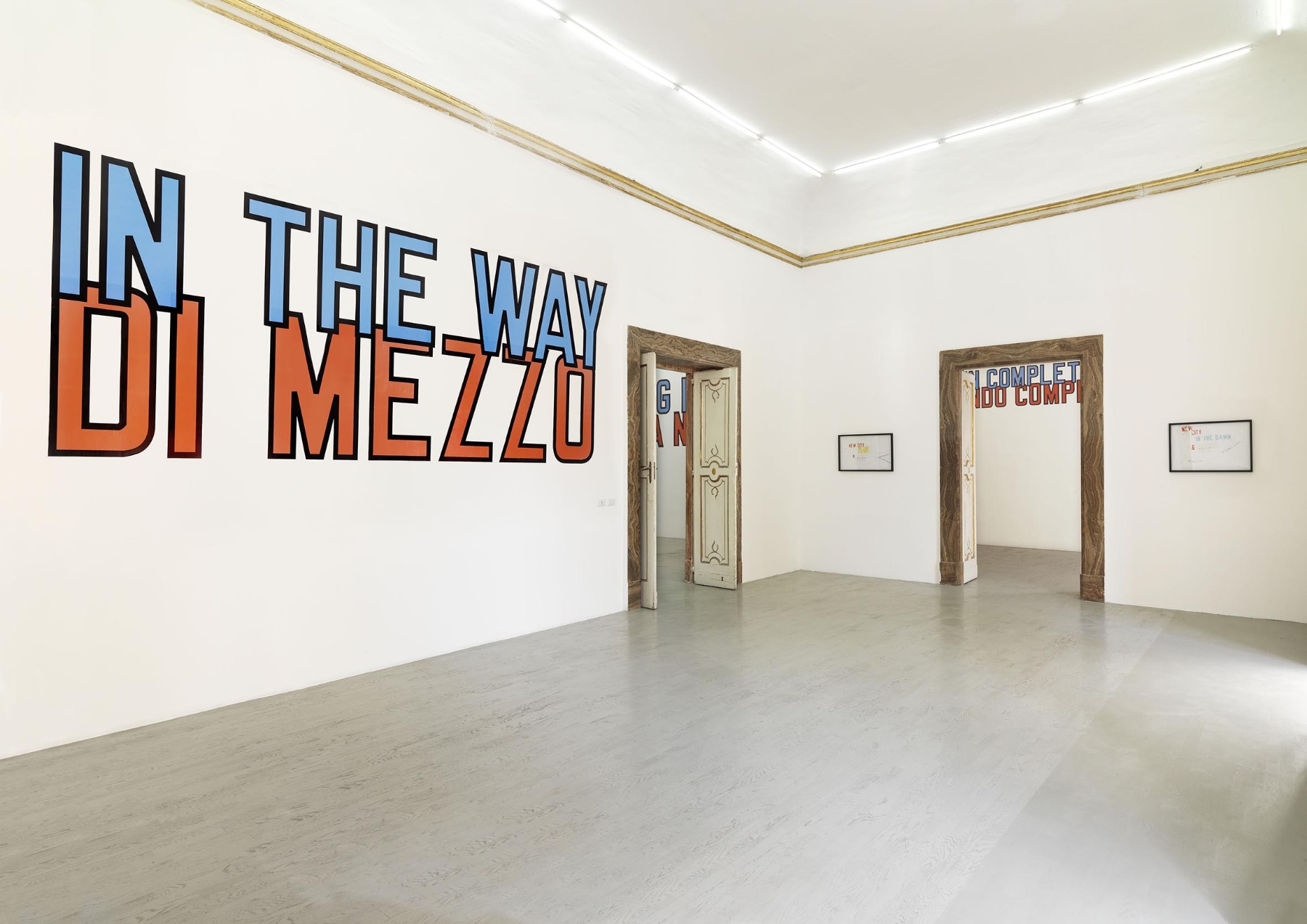
A central and pioneering figure in conceptual art, in the late 1960s Lawrence Weiner marshaled his forces to create a rupture from the traditional ways and means of what constituted a work of art. Developing a veritable aesthetic of language in which his work took on a 3-dimensional sculptural value, Weiner defined his medium as “language + the materials referred to,” in the sense that language is his material for the construction of his work.
In his 1968 “Statement of Intent,” the artist enunciated the principles upon which his work exists:
1. the artist may construct the work
2. the work may be fabricated
3. the work need not be built
Each being equal and consistent with the intent of the artist the decision as to condition rests with the receiver upon the occasion of receivership
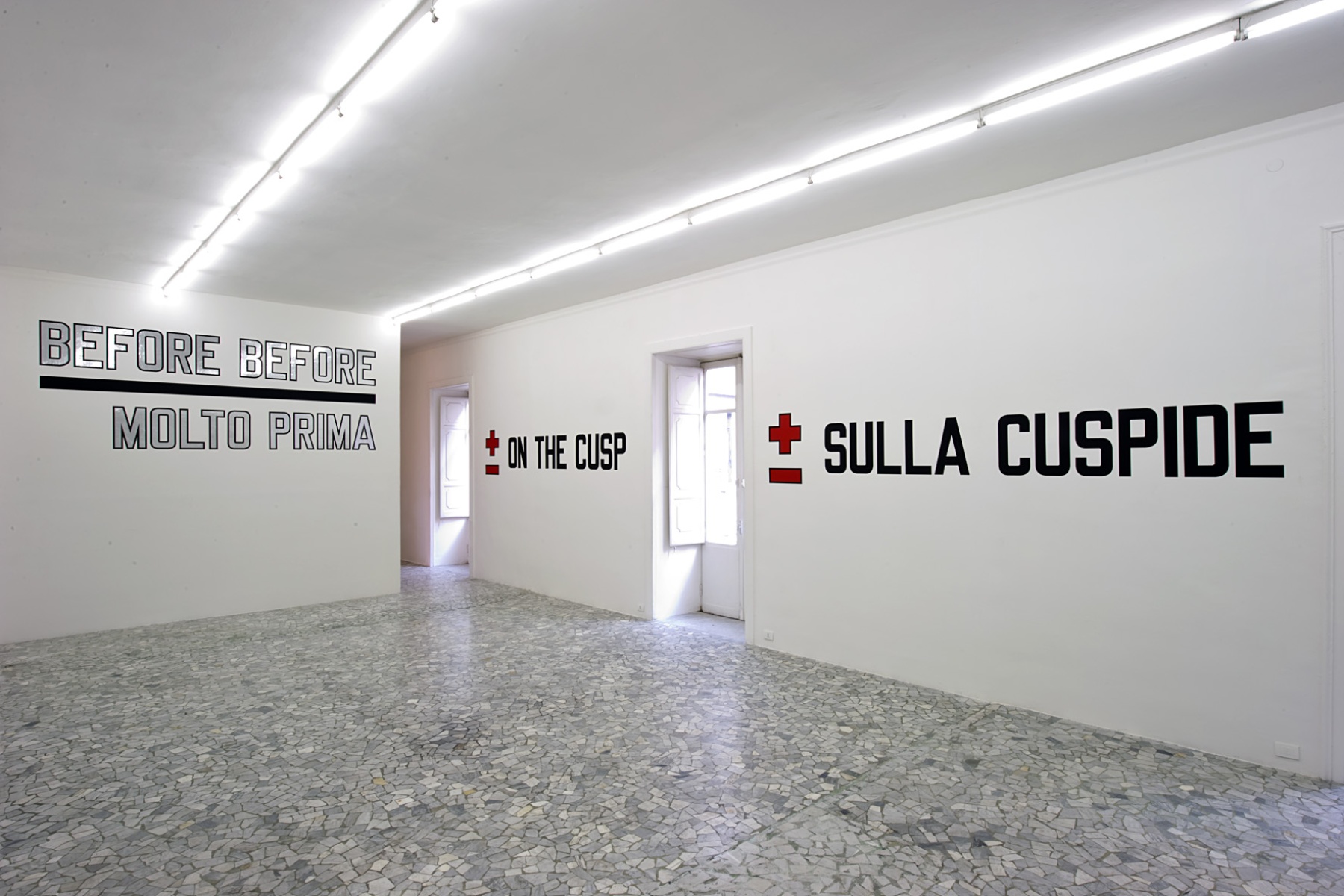
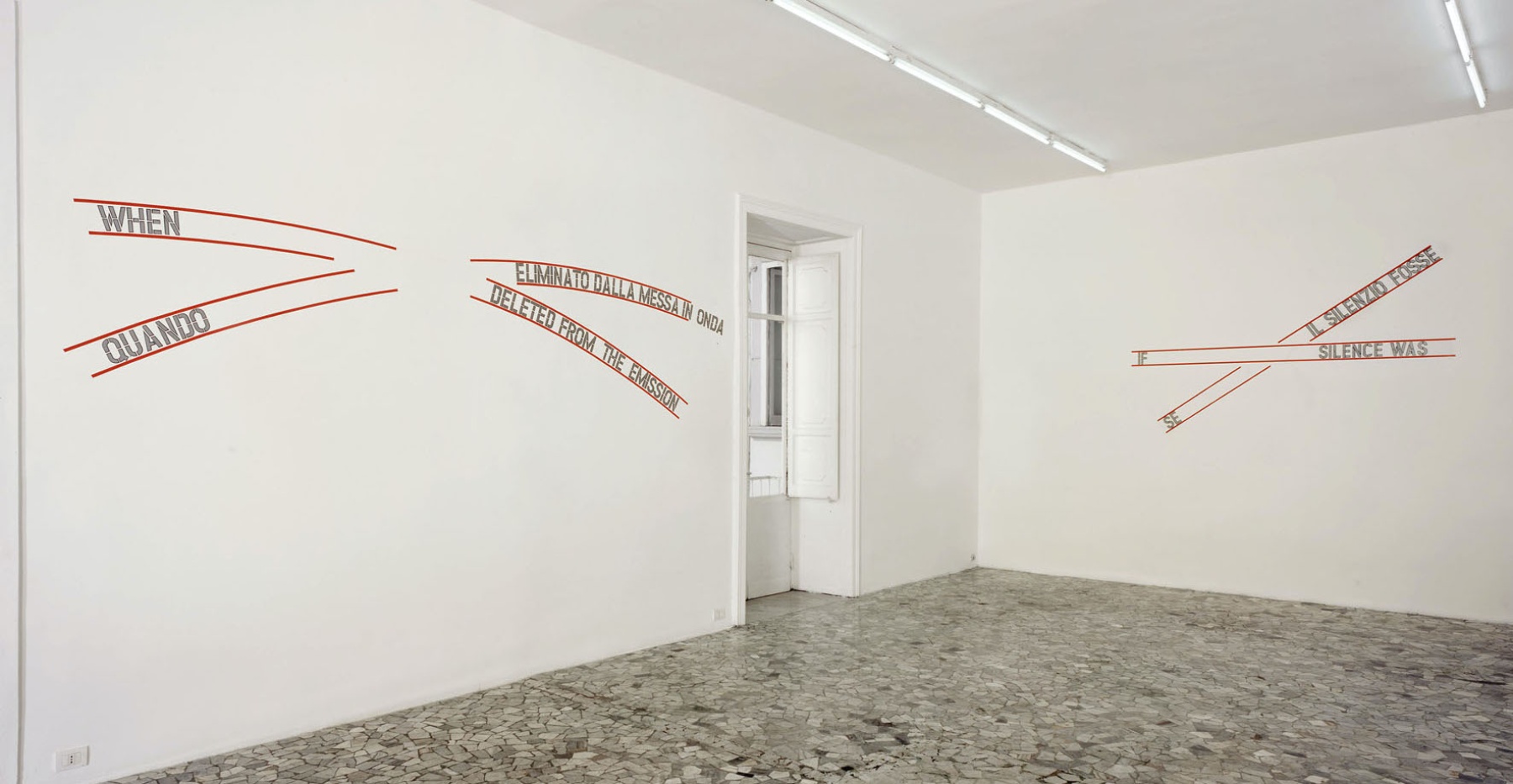
Material production of his work is not contingent on being executed directly by the artist. Works by Weiner can be manifest in any number of ways, depending on the parameters of the work itself, and the circumstances of the gallery, museum, institution, or its collector, who is often referred to by Weiner as the works ‘receiver.’ His works can be accompanied by mathematical signage, grammatical symbols and graphic gestures.
Weiner’s works denote process, material, and structure - whose free interpretation is left to its viewer, modifying the traditional relationship between artist and spectator. Language for Weiner is his tool for his open representation of the world, free of subjective reference and metaphor. Weiner’s work takes shape and meaning through the viewer’s perception and interpretation. Weiner’s Statements are often translated into multiple languages, making his art accessible to all.
LAWRENCE WEINER


