
founded in 1986


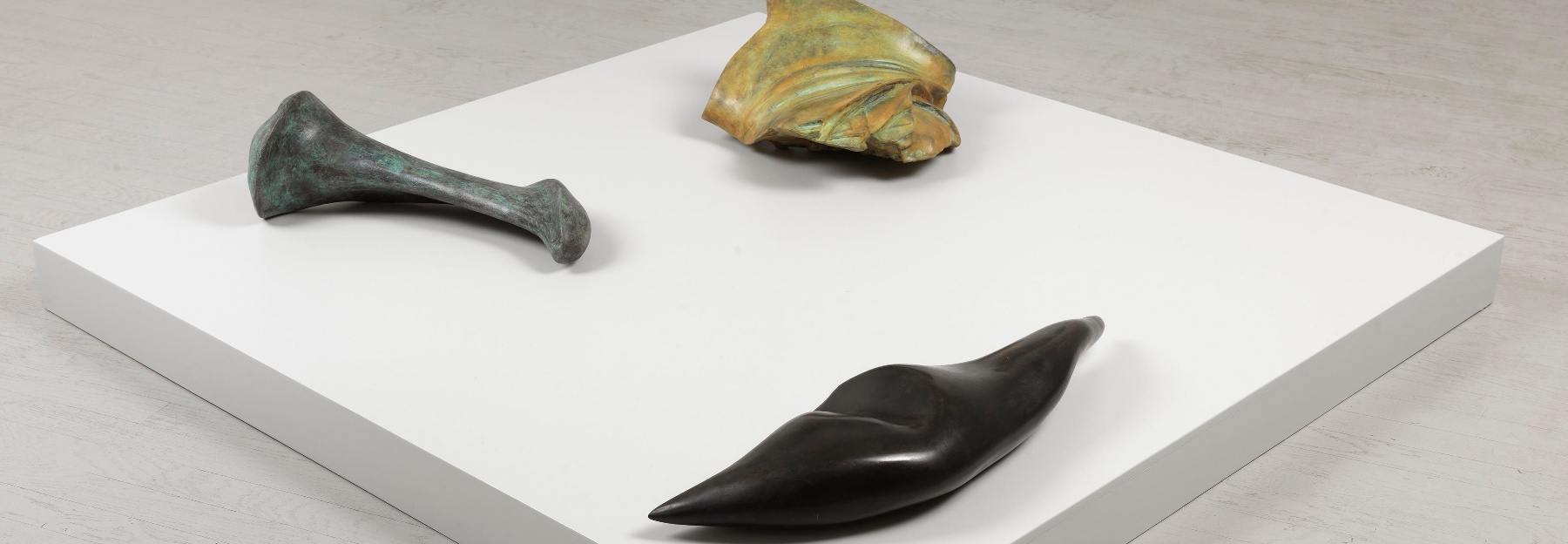
MARIA THEREZA ALVEZ
statement
Maria Thereza Alves was born in 1961 in São Paulo (BR). She lives and works between Berlin and Naples.
Alves has worked and exhibited internationally since the 1980s, creating a body of work investigating the histories and circumstances of particular localities to give witness to silenced histories. Her projects are researched-based and develop out of her interactions with the physical and social environments of the places she lives, or visits for exhibitions and residencies. These projects begin in response to local needs and proceed through a process of dialogue that is often facilitated between material and environmental realities and social circumstances. Her work is characterized by a strong political and social critique that highlights the moral and ethical commitment that the artist demonstrates towards the world in which she lives. Alves’s work is radically interdisciplinary, conceptual and formalist. While aware of Western binaries between nature and culture, art and politics, or art and daily life, she deliberately refuses to acknowledge them in her practice. She chooses instead to create spaces of agency and visibility for oppressed cultures through relational practices of collaboration that require constant movement across all of these boundaries. The final formal result of her work is always dictated by its contents. She firmly believes that art is where there is the possibility of contradicting the common tendency according to which the categories of knowledge prevent knowledge from developing. And this might happen simply because at a given moment in history, art can be anything and therefore does not have categories.
MARIA THEREZA ALVEZ


